
Results
- Adoption: Successful integration of FAA and fermented buttermilk into the farming cycle.
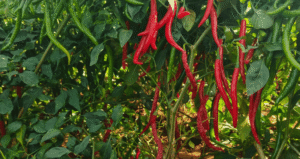
- Crop Vitality: Improved crop growth, branching, flowering, and fruit set.
- Disease Management: Significant reduction in flower drop and effective control of anthracnose.
- Quality & Yield: Enhanced fruit quality and uniformity, with a 20-25% yield increase compared to previous seasons.
- Cost Reduction: Input costs were reduced by 30-40%. For example, expensive chemical sprays (₹1,000/acre) were replaced with bio-inputs (₹800 for three sprays/acre).
- Economic Turnaround: Higher profitability achieved through the combination of lower expenditure and increased productivity.
Benchmark vs. Endline
| Parameter | Before Intervention | After Intervention | Impact |
| Input Use | Heavy reliance on chemical PGRs & fungicides | Bio-inputs (FAA, buttermilk) | Cost reduced 30-40% |
| Crop Health | Moderate growth, flower drop, anthracnose damage | Improved growth, reduced flower drop, disease managed | Better crop quality |
| Yield | Baseline yield | 20-25% higher yield | Productivity improved |
| Profitability | Moderate returns, high costs | Higher returns, reduced costs | Strong financial turnaround |
Conclusion
By adopting bio-inputs and sustainable practices, M. Mallikarjuna reduced his overhead, improved crop health, and achieved significantly higher profitability. This case highlights how farmer training, the use of local resources, and FPO support can drive sustainable cultivation and empower small-scale farmers.