Transforming Farms and Enabling Equitable Value in Business of Food

Shanti Mallappa - Turning Crop Failure into Success

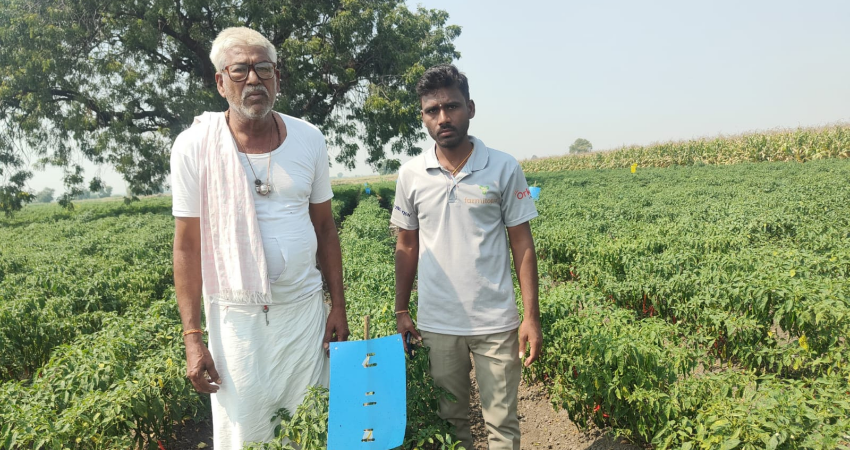
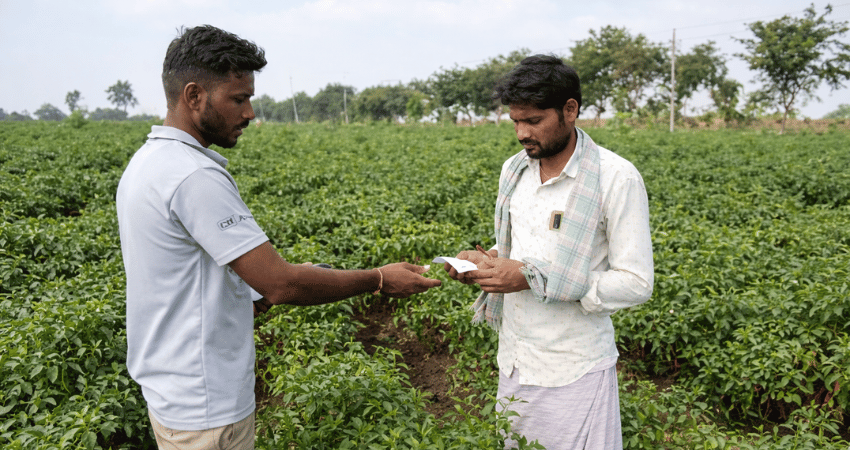
Shanti Mallappa, a woman farmer from Yerrangali village in Ballari, Karnataka, cultivates red chilli (HPH 5531) across six acres with her husband. In October 2025, continuous heavy rainfall caused severe waterlogging, triggering soil-borne pests and diseases. The crop showed wilting symptoms, and local dealer advice led to unnecessary expenditure on ineffective inputs. The family faced near-total crop failure.
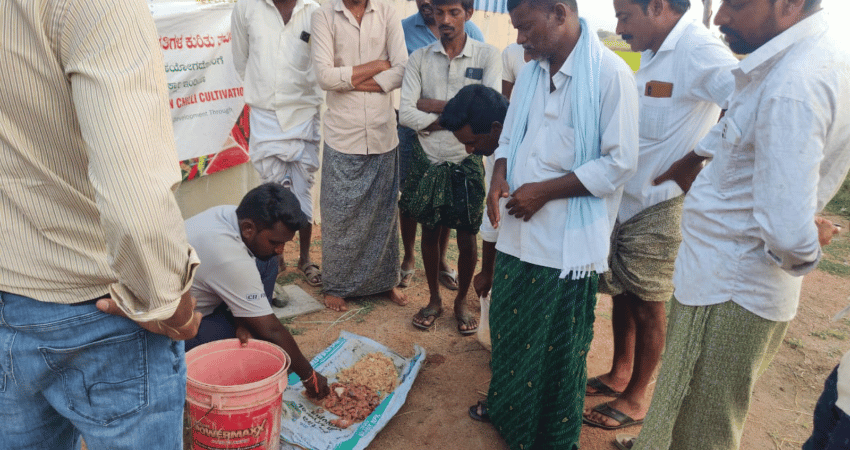
M. Mallikarjuna, a small-scale farmer from Madire village in Kurgodu Taluk, Ballari, cultivates red chilli (HPH 5531) on 4.5 acres. Like many farmers in the region, he initially relied heavily on chemical fertilizers, plant growth regulators (PGRs), and synthetic fungicides. Frequent spraying significantly increased his cultivation costs while providing limited returns, rendering his farm economics unsustainable.

M. Mallikarjuna - Bio-Inputs for Sustainable Chilli Farming

N. Nagesh - Residue-Free Red Chilli Success

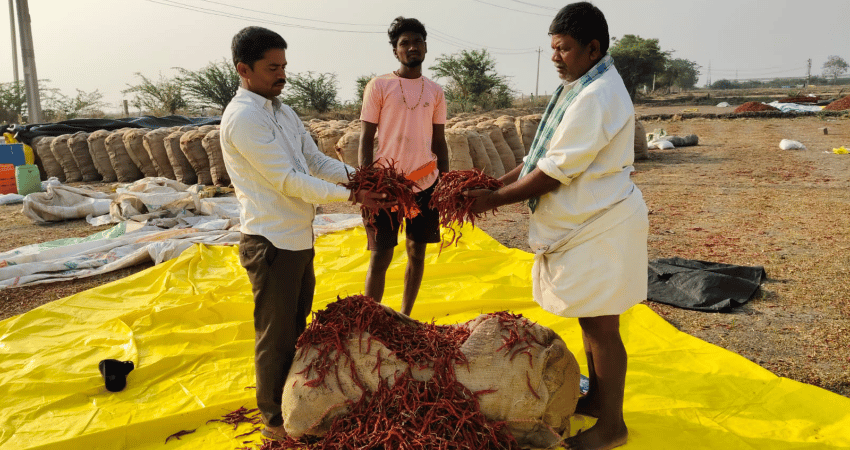
N. Nagesh, a seasoned red chilli farmer from Sriramarangapura village in Ballari, Karnataka, cultivates the HPH 5531 variety across eight acres. With over 25 years of experience, he traditionally followed conventional practices, spraying crop protection inputs every 2-3 days. Reliance on local input dealers often led to unnecessary products, escalating costs. Without adherence to waiting periods or Pre-Harvest Intervals (PHI), his produce frequently failed to meet Maximum Residue Limit (MRL) standards, restricting access to export markets and limiting income potential.

M. Hanumanthappa Reddy, a progressive farmer from Kalkamba village in Ballari, cultivates red chilli (HPH 5531) on 4.5 acres. Like many farmers in the region, he also faced severe challenges in managing sucking pests such as thrips and mites. These pests caused leaf curling, inhibited photosynthesis, stunted crop growth, and led to lower yields. Consequently, nearly 40% of his cultivation costs were spent on chemical pesticides; however, effective control remained inconsistent, leading to rising expenses and environmental concerns.

M. Hanumanthappa Reddy – Eco-Friendly Pest Management